Technology is reshaping the way professionals work across nearly every industry, creating new efficiencies, improving outcomes, and redefining what is possible in daily operations. From healthcare and legal services to industrial maintenance and personal wellness, advanced tools and digital systems are no longer optional additions but essential components of modern professional success. As innovation accelerates, professionals who embrace cutting-edge technology gain stronger accuracy, enhanced productivity, and improved client satisfaction. These advancements are not only transforming how services are delivered but also expanding the scope of what professionals can offer in increasingly competitive markets. Groundbreaking tech enables faster problem-solving, smarter diagnostics, and safer environments for both workers and the people they serve. Understanding these advancements helps businesses and individuals recognize the value of embracing technology-driven growth.
Smarter Fluid Systems
Modern industries depend on fluid-powered machinery to operate efficiently, making technological advancements in this area essential for reliability and performance. Innovations in sensors, diagnostics, and automation have significantly improved how fluid systems are monitored and maintained. These developments help professionals identify inefficiencies before they lead to costly breakdowns or safety risks. With smarter systems in place, equipment can operate longer with fewer interruptions. This results in improved productivity and reduced operational expenses across multiple industries.
In more technical applications, hydraulic repairs have evolved through the use of real-time monitoring tools and advanced testing equipment. Professionals can now detect pressure irregularities, leaks, and component wear with far greater precision than in the past. Digital diagnostic systems reduce guesswork and allow technicians to pinpoint issues quickly. This leads to faster turnaround times and more accurate fixes. As a result, machinery downtime is minimized, and long-term system health is preserved.
Looking ahead, continued innovation will further enhance fluid system performance and sustainability. Predictive maintenance software is enabling professionals to anticipate failures before they occur. Eco-friendly fluid technologies are also reducing environmental impact without sacrificing power or efficiency. These advancements demonstrate how groundbreaking technology continues to elevate skilled professions. Smarter fluid systems ultimately create safer, more reliable, and more efficient operations across industries.
Integrated Care Tools
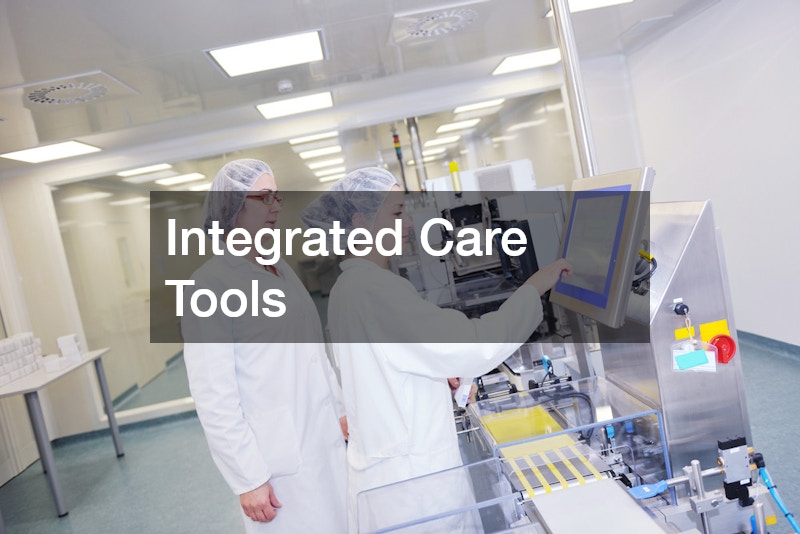
Healthcare has seen remarkable improvements through integrated technology designed to address complex patient needs. Digital platforms now allow professionals to coordinate care across multiple disciplines with greater efficiency. These tools reduce communication gaps and ensure that patients receive consistent treatment plans. Technology-driven integration improves accuracy and supports better long-term outcomes. As healthcare becomes more personalized, integrated systems are playing an increasingly vital role.
In behavioral and mental health fields, dual diagnosis treatment benefits greatly from advanced data management and diagnostic software. Professionals can now track mental health conditions alongside substance use disorders in a unified system. This approach enables more informed decisions and customized care strategies. Technology also supports continuous monitoring and progress evaluation, helping providers adjust treatment as needed. Patients benefit from a more holistic and responsive care experience.
As these tools continue to evolve, integrated care will become even more effective and accessible. Artificial intelligence is enhancing assessment accuracy and identifying patterns that may otherwise go unnoticed. Secure digital records improve collaboration while maintaining patient privacy. Technology is helping professionals deliver more comprehensive and compassionate care. Integrated care tools represent a powerful example of how innovation strengthens healthcare professions.
High-Tech Wellness
Personal wellness services have embraced technology to offer safer, more controlled, and more customizable experiences. Advanced equipment now allows professionals to tailor services to individual needs while maintaining strict safety standards. Digital controls and monitoring systems ensure consistent performance and improved user satisfaction. These innovations elevate wellness services beyond traditional offerings. As consumer expectations rise, technology helps meet demand with precision.
In the wellness industry, the tanning booth has been transformed by smart technology and enhanced safety features. Modern systems regulate exposure levels, track usage data, and adjust settings automatically. These features reduce risks while providing more consistent results for users. Professionals benefit from greater control and improved operational efficiency. Clients, in turn, experience more reliable and informed services.
Future developments will continue to refine wellness technologies and expand their capabilities. Data-driven personalization is becoming a key focus across the industry. Energy-efficient designs also support sustainability while maintaining performance. High-tech wellness solutions demonstrate how innovation enhances both service quality and professional credibility. Technology ensures that wellness services remain safe, effective, and competitive.
Precision Skin Care

Advancements in skincare technology have dramatically improved treatment accuracy and outcomes. Digital imaging and diagnostic tools allow professionals to assess skin conditions in greater detail. These insights lead to more targeted and effective solutions. Technology also enhances consistency across treatments, reducing variability and improving client trust. Precision tools are now central to modern skincare practices.
Within a professional acne treatment center, technology plays a critical role in diagnosis and treatment planning. High-resolution imaging helps identify underlying causes and track progress over time. Laser systems and smart devices enable customized treatments tailored to individual skin types. These tools increase effectiveness while minimizing discomfort and recovery time. Patients benefit from clearer results and more confidence in their care.
As innovation advances, skincare professionals will continue to expand their capabilities. Artificial intelligence may soon assist in predictive treatment modeling. Improved data collection will support long-term skin health strategies. Technology ensures that skincare services remain both scientific and personalized. Precision skin care exemplifies how tech-driven solutions enhance professional expertise.
Digital Legal Tools
The legal profession has adopted technology to manage increasing complexity and data volume. Digital platforms improve research speed, document management, and case organization. These tools allow legal professionals to focus more on strategy and client advocacy. Enhanced accuracy and efficiency strengthen case preparation. Technology is now a fundamental asset in modern legal practice.
In the realm of criminal defense, advanced digital tools support evidence analysis and case development. Software can organize large volumes of data and uncover critical connections. Digital forensics tools assist in examining electronic evidence with precision. These technologies improve response times and strengthen legal arguments. Clients benefit from more thorough and informed representation.
As legal technology continues to evolve, professionals will gain even greater analytical power. Artificial intelligence is enhancing predictive insights and risk assessment. Secure digital communication improves collaboration and confidentiality. Digital legal tools demonstrate how innovation reinforces professional integrity and effectiveness. Technology is reshaping the legal field for greater precision and accountability.
Advanced Pet Care

Technology has significantly elevated the standards of care provided to animals, allowing professionals to diagnose and treat conditions with greater accuracy. Digital imaging, laboratory automation, and smart monitoring tools help improve outcomes while reducing stress for animals. These advancements also allow professionals to communicate more clearly with pet owners about treatment options and expectations. As technology becomes more accessible, animal care continues to advance rapidly. The result is safer, more effective care across a wide range of situations.
Within an animal hospital, modern diagnostic tools play a critical role in improving treatment efficiency. Digital X-rays, ultrasound equipment, and advanced surgical tools enable faster and more precise interventions. Electronic medical records help streamline patient histories and coordinate care among teams. These systems reduce errors and improve long-term health tracking. Technology empowers professionals to provide higher-quality care while maintaining operational efficiency.
Looking forward, continued innovation will further transform animal care services. Wearable health monitors and AI-assisted diagnostics are becoming more common. Telemedicine is expanding access to expert advice and follow-up care. These tools strengthen professional capabilities while enhancing the client experience. Advanced pet care demonstrates how technology improves outcomes for both professionals and the animals they serve.
Next-Gen Heart Care
Cardiovascular medicine has seen dramatic improvements due to technological breakthroughs that support early detection and precision treatment. Advanced imaging and data analysis tools help professionals make informed decisions more quickly. These innovations reduce risks and improve patient outcomes. As heart care grows more complex, technology provides critical support. It ensures consistency and accuracy in high-stakes environments.
For cardiologists, cutting-edge equipment allows for deeper insights into heart function and disease progression. Wearable monitors and real-time imaging provide continuous data for assessment. Digital platforms enable faster diagnosis and more tailored treatment plans. These tools also support long-term monitoring and patient engagement. Technology enhances both clinical accuracy and patient trust.
Future advancements promise even greater precision in heart care. Artificial intelligence is improving predictive analytics and treatment planning. Remote monitoring continues to expand access to specialized care. These innovations help professionals stay ahead of evolving challenges. Next-gen heart care reflects the profound impact of technology on life-saving professions.
Safer Early Care

Technology has become essential in supporting safety and development during early life stages. Monitoring systems and smart devices help professionals maintain consistent standards of care. These tools reduce risks and provide valuable data for caregivers. Improved communication systems also enhance coordination among care teams. As expectations rise, technology supports better outcomes.
In infant care, modern monitoring tools track vital signs, sleep patterns, and environmental conditions. Digital alerts help professionals respond quickly to potential issues. Data-driven insights support healthier routines and early intervention when needed. These tools increase confidence for caregivers and families alike. Technology reinforces safety and reliability in early care environments.
As innovation continues, early care professionals will gain even more support. AI-driven analytics may soon predict developmental concerns. Smart environments will enhance comfort and safety. These advancements strengthen the foundation for healthy growth. Safer early care highlights how technology supports the most vulnerable populations.
Remote Animal Care
Technology has expanded the reach of animal care beyond traditional settings. Digital communication tools allow professionals to offer guidance and support remotely. This improves access for clients in rural or underserved areas. Technology also supports faster follow-ups and ongoing monitoring. These changes increase convenience without sacrificing quality.
For veterinarians, telemedicine platforms provide new ways to assess and advise patients. Video consultations and digital records enhance efficiency and accessibility. Remote monitoring tools help track recovery and manage chronic conditions. These technologies improve continuity of care and client satisfaction. Professionals can now extend their expertise more effectively.
Looking ahead, remote animal care will continue to grow in importance. Improved diagnostic tools will support more accurate remote assessments. Integration with in-person services will enhance overall care quality. Technology ensures adaptability in a changing professional landscape. Remote solutions are reshaping how animal care is delivered.
Tech-Driven Therapy
Mental health services have embraced technology to expand access and improve treatment effectiveness. Digital tools support assessment, tracking, and communication between professionals and clients. These innovations help reduce barriers to care and improve consistency. Technology also enables personalized approaches based on real-time data. This evolution is transforming therapeutic practices.
An anxiety therapist benefits from platforms that support remote sessions, progress tracking, and data analysis. Digital tools help identify patterns and adjust treatment strategies. Secure communication ensures privacy while enhancing accessibility. These resources allow professionals to maintain continuity of care across different settings. Technology supports both flexibility and effectiveness in therapy.
Future advancements will continue to refine mental health services. AI-driven insights may enhance treatment planning. Virtual reality tools are expanding therapeutic techniques. These innovations empower professionals to deliver more impactful care. Tech-driven therapy exemplifies how technology supports emotional well-being.
Groundbreaking technology continues to reshape professional landscapes, driving innovation and improving outcomes across diverse industries. From mechanical systems and healthcare to legal services and wellness, technology enhances efficiency, accuracy, and accessibility. Professionals who embrace these tools gain a competitive edge while delivering higher-quality services. Each profession explored in this article demonstrates how innovation strengthens expertise and expands possibilities. Together, they reflect a broader shift toward smarter, data-driven work environments.
The advancements highlighted throughout this discussion reveal how technology supports both specialized skills and everyday operations. Whether improving diagnostics, streamlining workflows, or enhancing safety, modern tools play a vital role in professional success. These innovations reduce errors, save time, and improve experiences for clients and professionals alike. As industries evolve, technology becomes an essential partner rather than a supplemental resource. This shift encourages continuous learning and adaptation.
Importantly, technology also fosters collaboration and communication across disciplines. Integrated systems allow professionals to share insights and coordinate efforts more effectively. This interconnected approach leads to better decision-making and more comprehensive solutions. As technology continues to advance, its role in shaping professional standards will only grow. Staying informed and adaptable is key to long-term success.